
vNotes (Scarless surgery)
- Introduction
What is vNOTES (Scarless Surgery)?
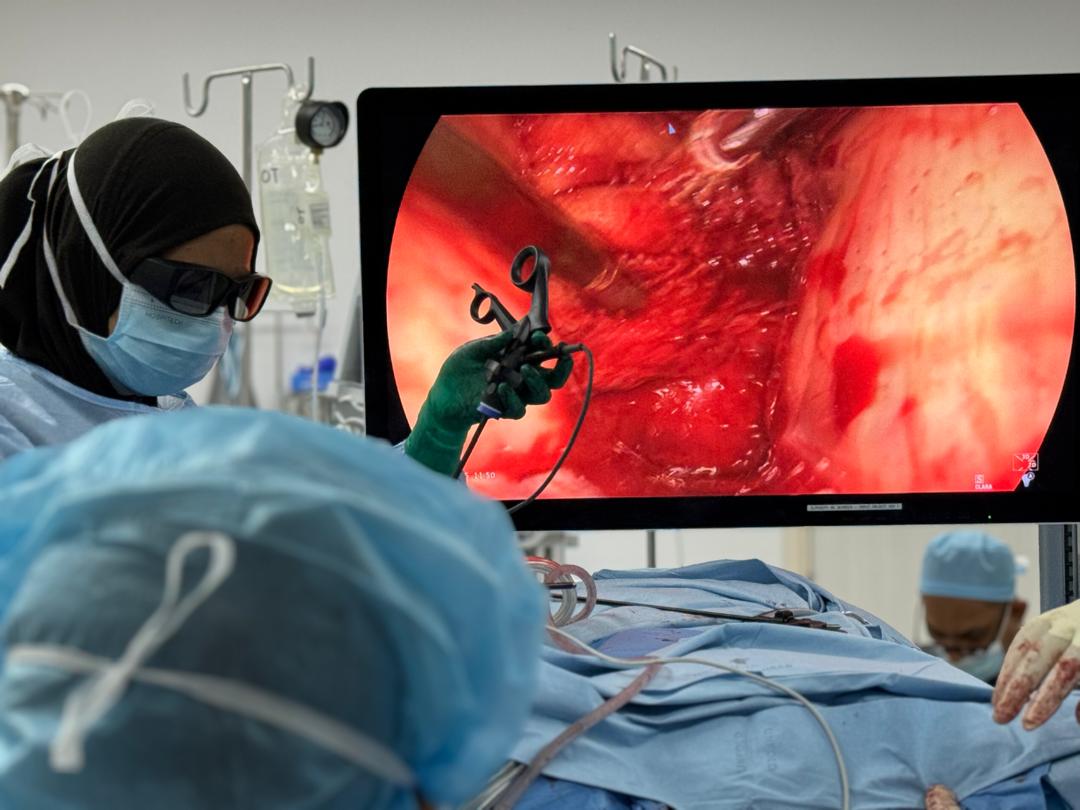
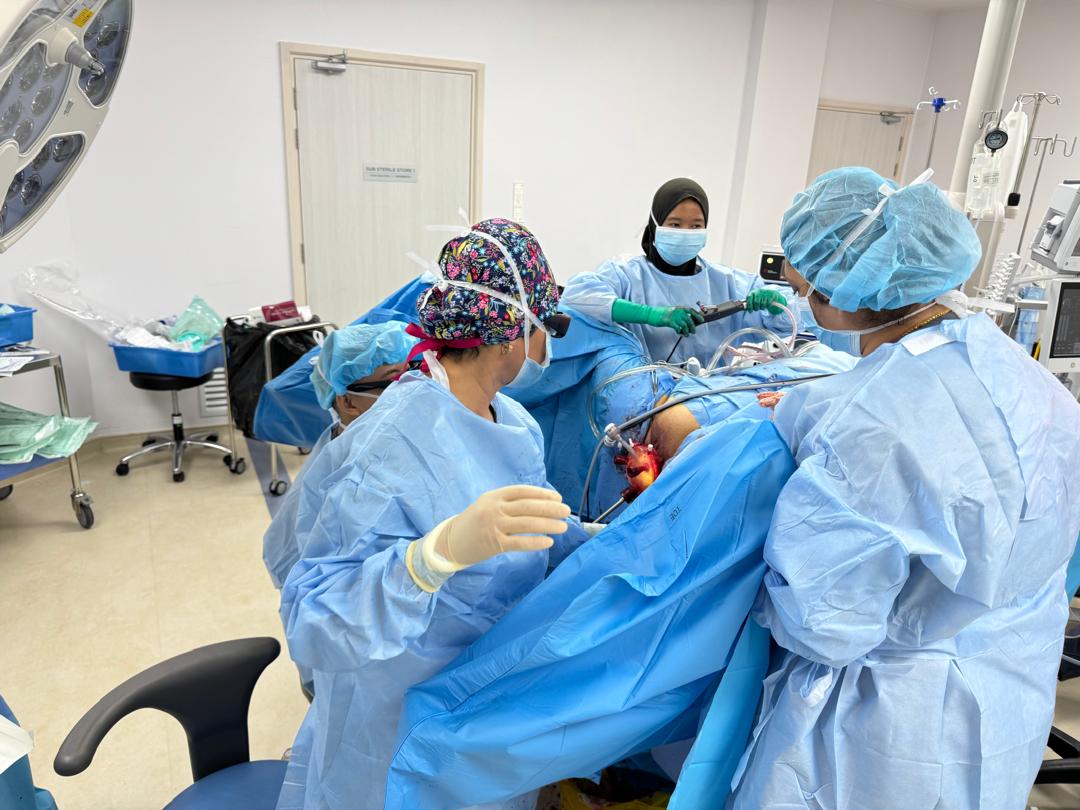
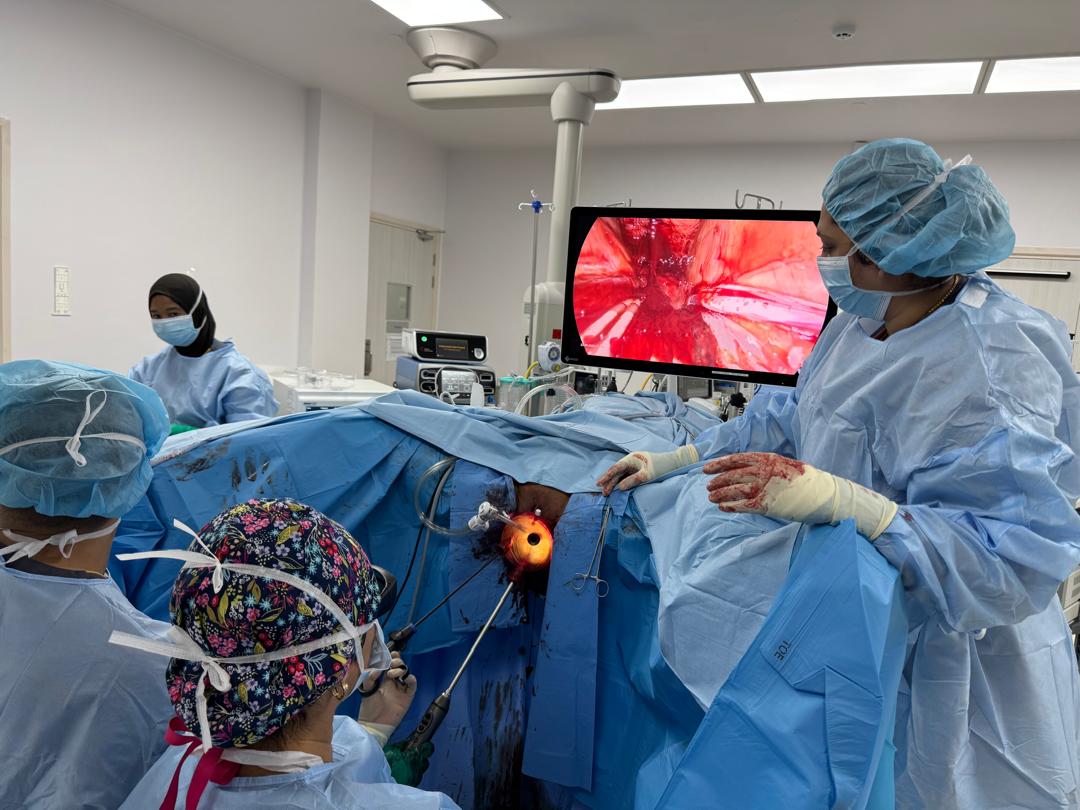
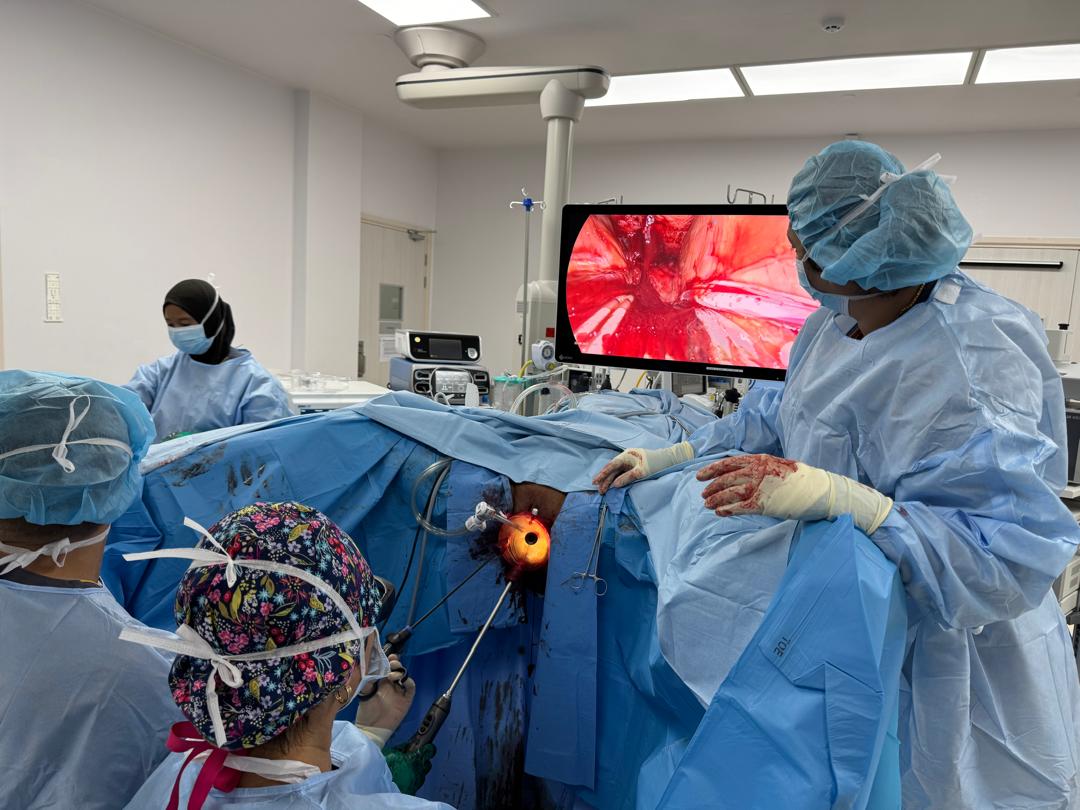
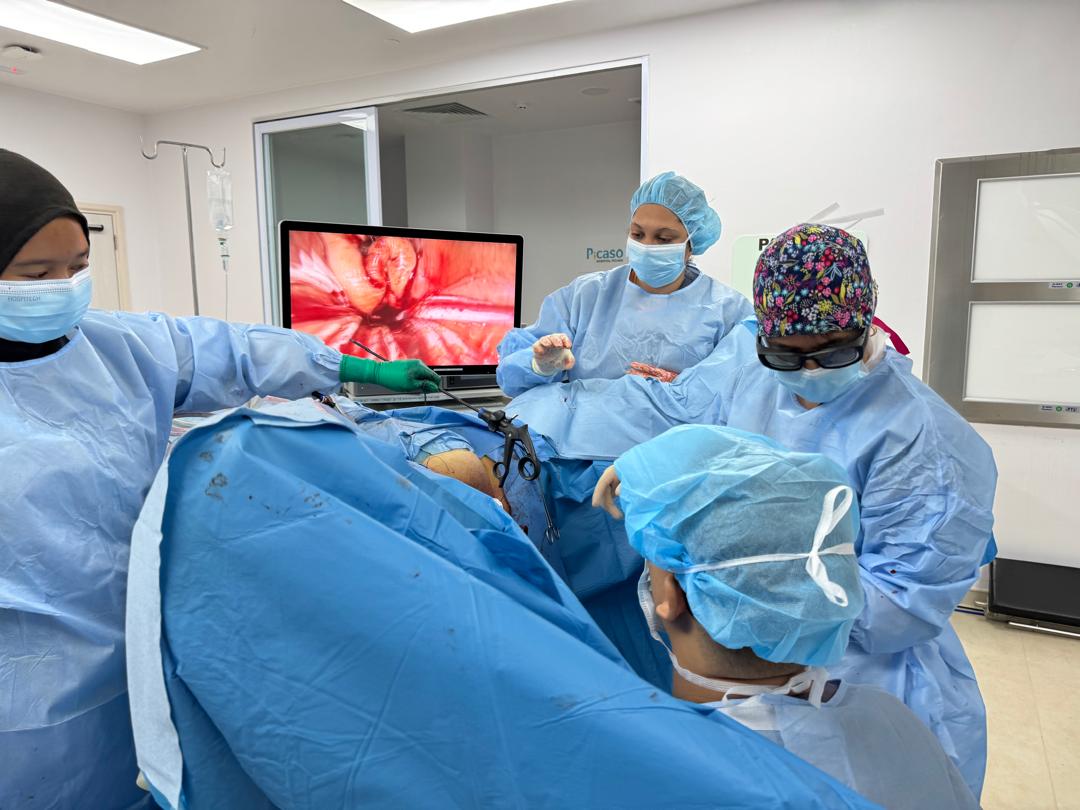
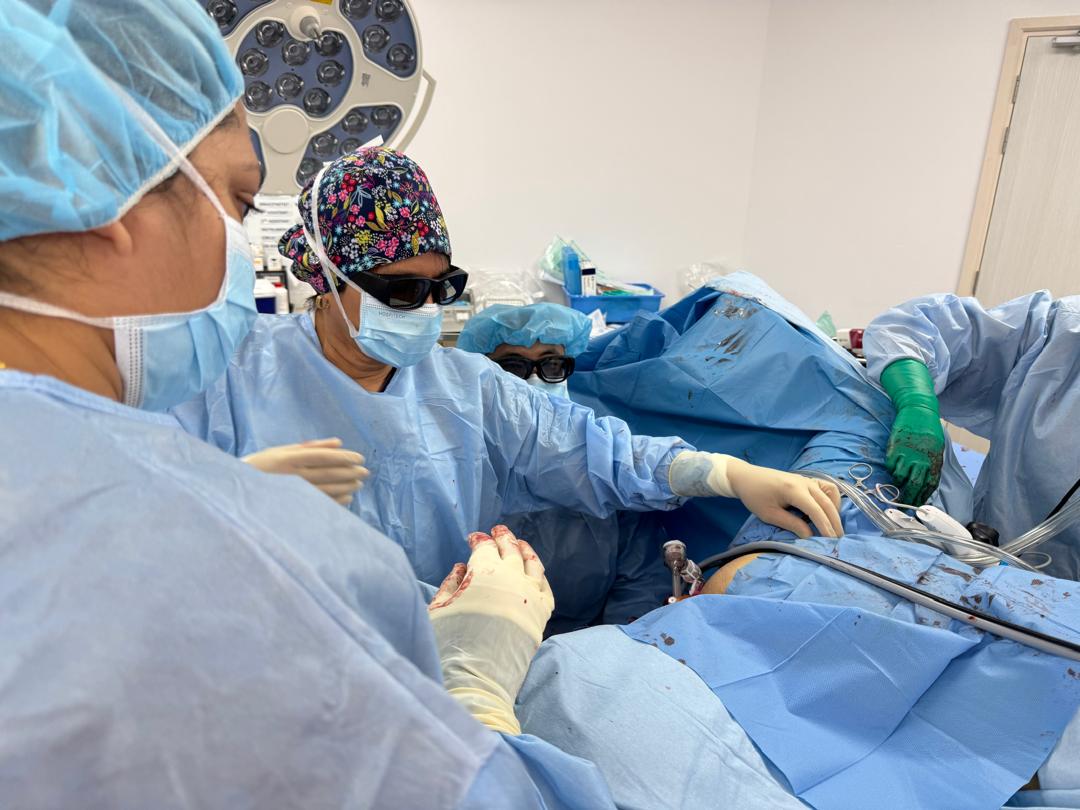
vNOTES—vaginal Natural Orifice Transluminal Endoscopic Surgery—is a minimally invasive, scarless approach where the surgeon uses the vagina as the natural access route to the pelvis. A small internal incision allows a tiny camera and instruments to treat common benign gynaecologic conditions (for example, hysterectomy, ovarian cyst removal, or tube/ovary surgery) without any abdominal cuts. For suitable patients, vNOTES can mean less pain, faster recovery, and same-day discharge, while preserving the precision and safety of advanced laparoscopic surgery. Suitability is confirmed after a careful assessment of your symptoms, examination, and ultrasound.
- Benefits
Why You Should Consider vNOTES (Scarless Surgery)?
vNOTES (vaginal Natural Orifice Transluminal Endoscopic Surgery) uses the vagina as a natural access route, so there are no abdominal cuts. For suitable benign gynaecologic surgery, this minimally invasive approach often means less pain, faster recovery, and same-day discharge—while maintaining the precision of advanced laparoscopy.
- Scarless Approach — No Abdominal Incisions
- Less Pain & Fewer Wound Complications
- Faster Recovery & Often Same-Day Discharge
- Lower Infection & Port-Site Hernia Risk
- Quicker Return to Work & Daily Activities
- Laparoscopic Precision With Excellent Visualisation
- How It Works
How vNOTES (Scarless Surgery) Works
vNOTES (vaginal Natural Orifice Transluminal Endoscopic Surgery) is a minimally invasive “scarless” approach that uses the vagina as the access route for laparoscopic cameras and instruments. It’s typically offered for benign gynaecologic procedures (e.g., hysterectomy, salpingectomy/oophorectomy, selected adnexal surgery) after a personalised assessment of symptoms, ultrasound findings, medical history, and goals. Compared with conventional laparoscopy, studies—including an RCT (HALON) and recent reviews—show vNOTES achieves similar surgical success with the potential for shorter operative time, less blood loss, and earlier discharge, while maintaining the recovery advantages of minimally invasive routes over open surgery.
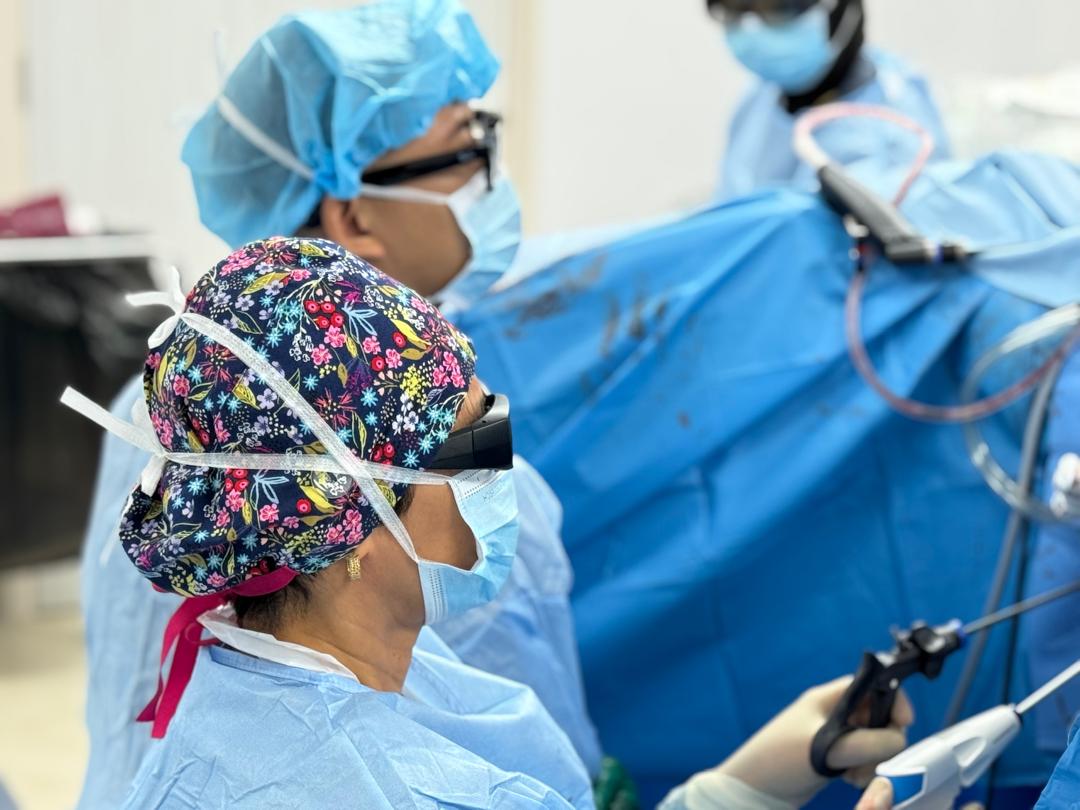
On the day of surgery, you’ll have anaesthesia. The surgeon makes a small incision inside the vagina (a posterior colpotomy) and places a soft single-port device to gently create working space in the abdomen. A tiny camera and slim instruments are introduced without any abdominal cuts. The procedure is performed endoscopically—removing the uterus and/or treating the ovaries/tubes as planned—then the internal vaginal incision is closed. Many patients go home the same day because the approach avoids abdominal wounds and typically requires less pain medicine.
Afterwards, mild cramping and a light, blood-stained or watery discharge are common for a short period. We’ll give you written aftercare, but general guidance includes pelvic rest—no tampons, swimming, or vaginal intercourse—until the incision has healed (often about 4–6 weeks, or as advised at review). We’ll also discuss a gradual return to activity and the warning signs that should prompt a call. Most patients resume normal routines quickly compared with abdominal surgery.
- Conditions & Treatments
Conditions that can be treated with vNOTES (scarless surgery).
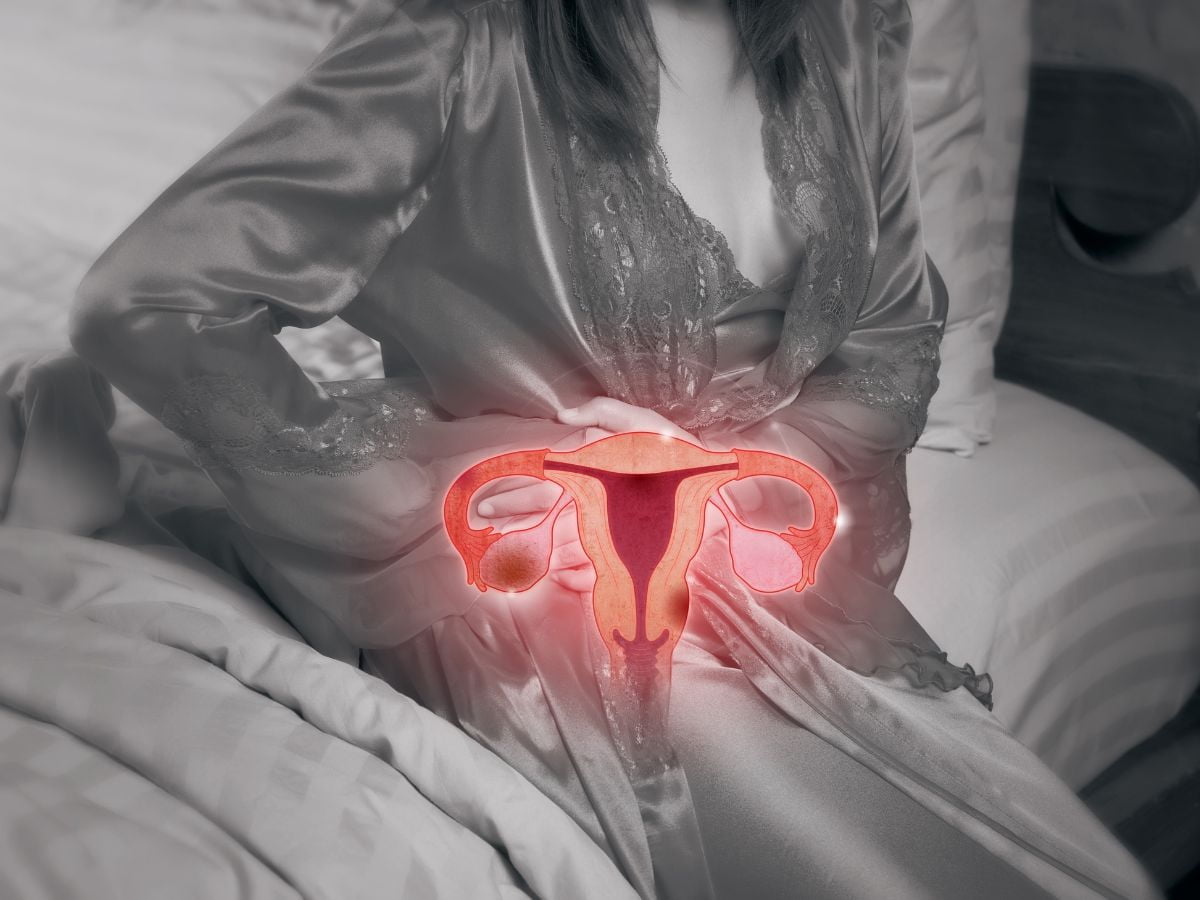
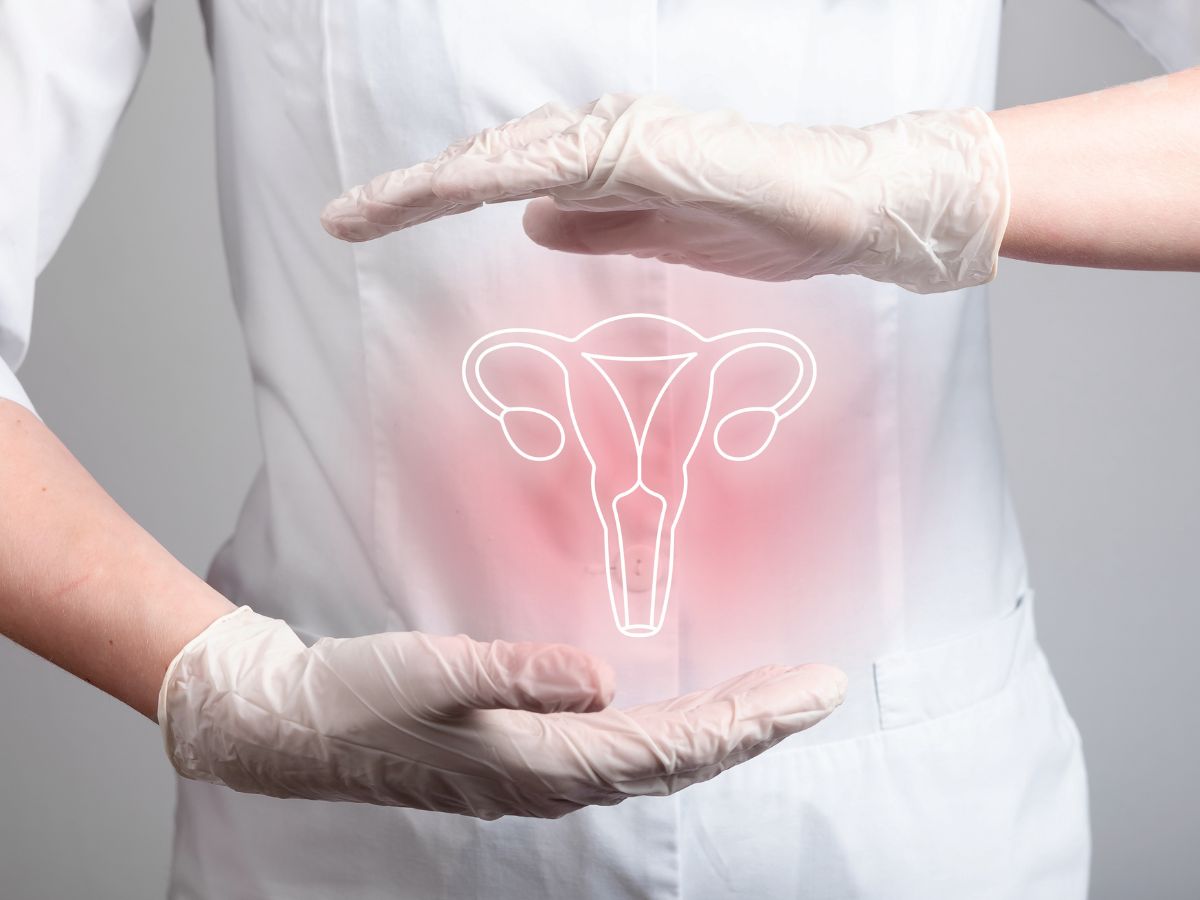
Using a natural keyhole approach through the vagina, vNOTES lets us treat many benign gynaecologic conditions without abdominal cuts. This provides excellent visualisation, precise surgery, less pain, and faster recovery. Suitability is confirmed after examination and ultrasound. (vNOTES isn’t used when cancer is suspected.)
Endometriosis
Uterine fibroids
Benign Ovarian Cysts / Tumours
ectopic pregnancy
pelvic abscess (pus)
pelvic adhesions (painful scar tissue)
infertility
Diseased Fallopian Tube
reproductive cancers
Prophylactic Salpingectomy

- Post-Surgery Recovery
Recovery after vNOTES (Scarless Surgery)
Most patients go home the same day after vNOTES. Because there are no abdominal cuts, pain is usually milder and recovery is quicker than conventional laparoscopy.
What you can expect
Mild lower-abdominal cramps and a light, blood-stained or watery vaginal discharge for a few days to 2–3 weeks.
Tiredness for a short period. Simple pain relief (e.g., paracetamol/NSAIDs if suitable) is usually enough.
Shoulder-tip discomfort is uncommon with vNOTES but can occur briefly.
Do’s after surgery
Walk gently on the day of surgery; increase activity day by day.
Shower from the next day; pat dry.
Use sanitary pads (not tampons).
Take prescribed medicines (pain relief ± antibiotics) as directed; consider a stool softener to avoid straining.
You may drive once you can perform an emergency stop comfortably and are not on sedating painkillers (often 24–48 hours).
Temporary restrictions
Pelvic rest—no intercourse, tampons, douching, or swimming—until we confirm healing at review (usually 4–6 weeks or as advised).
Avoid heavy lifting (>5–7 kg) and high-impact exercise for 2 weeks, then build up gradually.
Back to normal
Many return to desk work in 3–7 days; physically demanding jobs may need 1–2 weeks.
If you had a hysterectomy, periods stop; we’ll advise on cervical/HPV follow-up depending on whether the cervix was removed.
When to contact us urgently
Fever ≥38.0°C, worsening pelvic pain, heavy bleeding (soaking >1 pad/hour), foul-smelling discharge, persistent vomiting, difficulty passing urine, leg swelling/pain, chest pain, or breathlessness.
Follow-up
A check-up is arranged at 2–6 weeks to review healing, pathology (if any), activity progression, and long-term plan.
We’ll personalise next steps to your procedure (e.g., hysterectomy vs. ovarian/tubal surgery) and overall health goals.
Book Your Slot With Dr. Sharifah
Make an Appointment
Let’s talk! During a personalized consultation, we can discuss your specific needs, explore your options for minimally invasive gynecological surgery, and answer any questions you may have.