
The Pattern. The Silence
When the so-called “Epstein files” resurfaced in public discourse recently, many focused on the names, the scandals, and the headlines surrounding Jeffrey Epstein.
But as a doctor — and as someone who spends her life listening to women in pain — something else stood out to me.
Not the celebrities.
Not the conspiracies.
The PATTERN.
For years, survivors tried to speak.
They said something was wrong.
They asked for help.
They tried to be heard.
And for years, institutions failed them.
Power, influence, fragmented accountability, and silence allowed suffering to continue.
Different context — but painfully familiar.
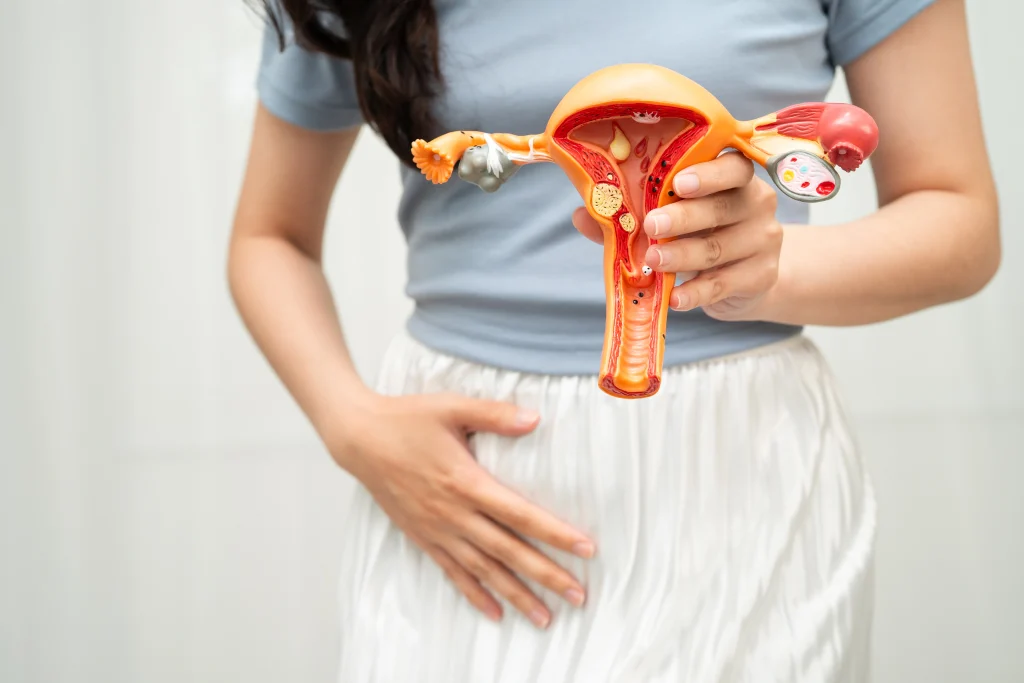
Because this is exactly what I see every day in endometriosis.
The Invisible Suffering
Women with endometriosis come to me after years — sometimes decades — of being dismissed. They are told:
- “It’s just period pain.”
- “You’re too sensitive, You’re exaggerating”
- “Get married, Try to get pregnant.”
- “It’s IBS.”
Meanwhile, the disease progresses quietly.
By the time many reach specialist care, they have:
- Frozen pelvis
- Deep bowel involvement
- Ureteric obstruction
- Multiple failed surgeries
- Compromised fertility
- Profound emotional exhaustion
Endometriosis is not just pelvic pain. Some powerful men don’t even know where the pelvis is to even talk about endometriosis. It is a chronic, progressive inflammatory condition that can invade the bowel, bladder, ureters, diaphragm — and occasionally beyond. Yet because it doesn’t announce itself loudly on scans, and because it affects women, it remains underestimated.
Invisible disease is easier to ignore.
The Real Parallel: Institutional Blindness
The Epstein case exposed something uncomfortable: harm doesn’t persist because people don’t know. It persists because systems don’t respond.
In endometriosis, we face similar structural gaps:
- No standardized referral pathways
- Inconsistent surgical expertise
- “Anyone can operate” mentality
- Lack of outcome tracking
- Minimal funding for research
- Absence of accredited Centers of Excellence
As a result, many women undergo incomplete surgery, delayed diagnosis, or repeated procedures — when the first operation should have been definitive.
Delay always worsens outcomes.
I see this in operating theatre every week.
Six-hour dissections.
Complex bowel resections.
Patients who could have been spared if treated properly earlier.
Why I Refuse to Accept This as Normal
What troubles me most is not the complexity of the disease. It is that women are conditioned to doubt their own bodies. That their suffering must be proven repeatedly. That they must become resilient simply to survive a healthcare journey.
This is why Hospital Picaso is committed to building structured endometriosis care:
- Multidisciplinary teams
- Proper preoperative imaging
- Advanced minimally invasive surgery
- Outcome auditing
- Training pathways
- Data-driven standards
- Centers of Excellence
Not because it is fashionable.
But because women deserve better.
From Pain to Policy
The Epstein story reminds us what happens when institutions fail to protect the vulnerable. Endometriosis reminds us what happens when medicine minimizes women’s pain.
Different narratives.
Same lesson.
Listening matters.
Structure matters.
Accountability matters.
I believe endometriosis care must move beyond isolated surgeries and individual heroics.
It requires systems. And systems can be built.
I am determined to be part of that change. Not just treating disease — but correcting a historical injustice in women’s healthcare.
By: Dr Sharifah Halimah Jaafar
(the author of book “Fighting The Devil Within”)
Consultant Gynaecologist & Endometriosis Specialist
Advanced MIS & Robotic Surgeon
Unit 212, Hospital Picaso
For Appointment:
WhatsApp – 0102888645 or
Website: www.drsharifah.com, www.drsharifahhalimah.com


